Robocalls and spam texts are significant issues in Colorado, impacting millions daily. The Federal Communications Commission (FCC) reported 45 billion spam texts nationwide in 2022, with high rates in Colorado. The Telephone Consumer Protection Act (TCPA) and state Do Not Call laws aim to curb these practices, but evolving technologies make identification challenging.
Coloradans can protect themselves by:
1. Registering on national and state Do Not Call lists.
2. Using call-blocking apps.
3. Reporting unwanted calls or texts.
4. Seeking legal advice from a robocall lawyer in Colorado for fraudulent activities.
Taking these steps, along with staying informed about robocall laws in Colorado, helps mitigate unwanted communications and holds offenders accountable.
In the digital age, robocalls and spam texts have become a pervasive nuisance for Colorado residents. These automated communications, often unsolicited and unwanted, can be disruptive to daily life and pose significant privacy concerns. With strict regulations in place, such as the Do Not Call laws, many Coloradans still find themselves plagued by relentless calls and messages from telemarketers and spammers. This article aims to demystify the legal landscape surrounding robocalls and spam texts in Colorado. By delving into the relevant laws, including the powerful tools available through a robocall lawyer or spam call attorney in Colorado, we empower residents to protect their rights and navigate this complex issue effectively.
Understanding Robocalls and Spam Texts in Colorado
Robocalls and spam texts have become a pervasive problem across Colorado, impacting millions of residents daily. These automated communications, often unsolicited, range from marketing messages to fraudulent schemes, leaving many Coloradans feeling frustrated and violated. Understanding the legal framework surrounding robocalls and spam texts is crucial for individuals looking to protect themselves and take action against these intrusions. A robocall lawyer in Colorado or a spam call law firm can provide invaluable guidance on navigating these complex issues.
In 2022, the Federal Communications Commission (FCC) reported over 45 billion spam text messages sent across the United States, with Colorado ranking among the states with the highest rates of unsolicited texts. The Telephone Consumer Protection Act (TCPA) was enacted to curb such practices, but its enforcement has faced challenges due to rapidly evolving technologies. While traditional robocalls are easily identifiable, vishing (voice phishing over the phone) and spam texts have become more sophisticated, often disguised as legitimate communications. This has led to a rise in consumer complaints about unwanted marketing messages, including those promoting home services, financial products, or even fraudulent lottery wins.
Colorado’s Do Not Call law, administered by the Colorado Attorney General’s Office, offers some protection against unsolicited calls, but it primarily targets telemarketers and does not fully address robocalls or spam texts. Seeking legal counsel from a robocall lawyer in Colorado is advisable for those facing incessant or illegal communication. These experts can help individuals register complaints with relevant authorities, such as the FCC or state regulators, and pursue legal action if their rights have been violated. By staying informed about robocall laws in Colorado and engaging qualified legal representation, residents can better protect themselves from these unwanted intrusions and hold offenders accountable.
Legal Framework: Robocall Laws and Do Not Call Lists
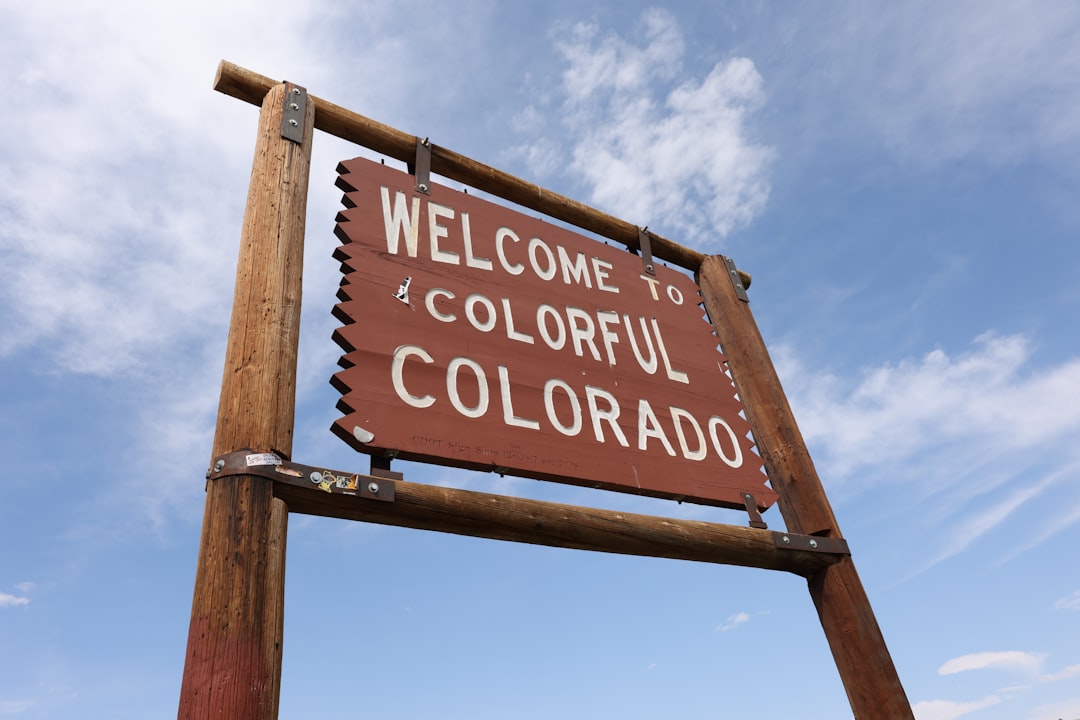
In Colorado, as across the nation, robocalls and spam texts have become a persistent nuisance for many residents. The legal framework surrounding these automated communication methods is designed to protect consumers from unwanted intrusions while also allowing legitimate businesses to reach their audiences. Robocall lawyers and attorneys in Colorado play a crucial role in navigating this landscape, advising both individuals and organizations on how to comply with relevant laws and protect their rights.
The Telephone Consumer Protection Act (TCPA) forms the backbone of robocall regulations in the United States, including Colorado. This federal law mandates that companies obtain prior express consent from recipients before making automated phone calls or sending text messages en masse. Importantly, it also establishes a “Do Not Call” registry, where individuals can register their phone numbers to opt-out of most robocalls. In Colorado, the state’s Attorney General’s Office actively enforces these provisions, and violators can face significant fines. For instance, in 2021, a major telecom company was fined $5 million for repeatedly violating TCPA rules regarding robocalls.
While the TCPA provides a robust framework, Colorado has also enacted its own specific legislation to address the challenges posed by modern communication technologies. The state’s Anti-Spam Act, for example, restricts certain types of unsolicited commercial text messages and gives consumers the right to seek legal action against violators. This legislation is complemented by a strong do-not-call list maintained by the Colorado Public Utilities Commission, which offers residents an effective way to block unwanted calls and texts. Individuals facing persistent robocalls or spam can consult with a robocall lawyer in Colorado for guidance on enforcing their rights under these laws, potentially seeking damages or blocking orders against persistent violators.
To protect yourself from robocalls and spam texts, it’s essential to be proactive. Register your number on the national Do Not Call Registry and state-specific lists. Use call-blocking apps and features offered by your phone service provider. And if you suspect illegal activity, document the calls or messages and contact a qualified robocall attorney in Colorado for expert legal counsel. By staying informed about your rights and working with knowledgeable professionals, you can help mitigate the impact of unwanted automated communications.
Recognizing Unwanted Calls and Texts Legally

In Colorado, recognizing and dealing with robocalls and spam texts is a complex legal matter that requires a nuanced understanding of state and federal regulations. With the proliferation of automated communication technologies, consumers face an increasing influx of unwanted calls and messages, leading to heightened concerns about privacy and consumer protection. The Telephone Consumer Protection Act (TCPA) and Colorado-specific Do Not Call laws serve as the cornerstone for combating these disturbances.
Robocall lawyers in Colorado, such as those at reputable spam call law firms, play a pivotal role in guiding individuals and businesses through this regulatory landscape. These legal experts assist clients in navigating not only robocall laws but also the nuances of Do Not Call lists registration and enforcement procedures. For instance, a robocall attorney can help ensure that business practices comply with TCPA requirements, such as obtaining explicit consent before dialing and providing an opt-out mechanism for recipients. In cases where companies or individuals violate these laws, experienced lawyers can pursue legal action on behalf of aggrieved parties, seeking damages and injunctive relief to deter further harassment.
Practical advice for consumers includes registering on the National Do Not Call Registry, a federal database that restricts telemarketing calls. Additionally, many states, including Colorado, have their own Do Not Call lists. Reporting unwanted robocalls or texts to relevant authorities is another effective step. According to recent data, over 40% of Coloradans experience spam calls weekly, highlighting the urgency for proactive measures. By staying informed about their rights and leveraging the expertise of robocall lawyers in Colorado, residents can better protect themselves from these intrusive communications.
Your Rights: How to Stop and Respond to Robocalls

In Colorado, as across the nation, robocalls and spam texts have become a persistent nuisance for many residents. These automated communication methods are often used for marketing purposes or to distribute fraudulent schemes, leaving recipients with a sense of frustration and uncertainty about their legal options. Understanding your rights under the Do Not Call laws and having an effective strategy to stop and respond to these unwanted calls is crucial.
Colorado’s Do Not Call law, enforced by the Colorado Public Utilities Commission (CPUC), provides residents with significant protections against unsolicited telemarketing calls and texts. According to the CPUC, businesses must obtain explicit consent before placing robocalls or sending spam texts to consumers. Moreover, individuals have the right to register their phone numbers on the state’s Do Not Call list, significantly reducing the volume of unwanted communication. A robocall lawyer Colorado or spam call law firm Colorado can guide residents through this process, ensuring they exercise their legal rights effectively.
When faced with a robocall or spam text, several steps can be taken to mitigate the problem. First, do not engage with the caller; instead, simply hang up. Many of these calls are designed to generate responses, which can lead to more unwanted communication. Next, consider using call-blocking apps or features provided by your service provider. Additionally, report the robocalls or spam texts to your phone carrier and the CPUC. This data helps in identifying trends and taking targeted action against offending entities. If you have suffered financial harm due to a fraudulent robocall, consult a robocall attorney Colorado immediately to explore legal recourse under the state’s robust consumer protection laws.
Remember that proactive measures and informed knowledge are your most powerful tools against robocalls and spam texts. Stay vigilant, understand your rights, and don’t hesitate to seek expert advice when necessary. By taking these steps, Coloradans can reclaim their communication channels and enjoy a greater sense of control over their personal information in the digital age.
Robocall Lawyer Colorado: Seeking Justice and Recourse
In Colorado, the issue of robocalls and spam texts has grown increasingly prevalent, leading to a rise in consumer complaints. A robocall lawyer Colorado or robocall attorney Colorado is an expert legal professional who specializes in addressing this modern-day nuisance. These attorneys are equipped to navigate the complex landscape of telecommunications law and help individuals and businesses protect their rights under current robocall laws Colorado. The Telephone Consumer Protection Act (TCPA) serves as a cornerstone of these regulations, prohibiting automated or prerecorded calls from being placed to any telephone number without prior express consent.
Robocall lawyers Colorado not only offer legal representation but also provide valuable guidance on how to deal with unwanted texts and phone calls. They can assist in filing Do Not Call lists with relevant authorities and pursuing legal action against violators. For instance, a spam call law firm Colorado may help individuals recover damages for emotional distress or financial losses incurred due to fraudulent or harassing robocalls. The rise of sophisticated technology has made it easier than ever for telemarketers to target consumers en masse, making the expertise of these attorneys more crucial than ever. According to recent data, over 40 billion spam calls were made in the United States in 2022, with many targeting Colorado residents.
Seeking justice and recourse against robocall abuse involves a strategic approach. A robocall lawyer Colorado will investigate the source of the calls, gather evidence, and build a strong case to hold offenders accountable. This may include negotiating settlements or representing clients in court. In light of these challenges, it is essential for residents to familiarize themselves with their rights under the TCPA and the specific robocall laws Colorado. By engaging the services of a qualified attorney, individuals can protect their privacy, stop unwanted communications, and potentially seek compensation for any harm suffered.
Related Resources
Here are some authoritative resources for an article on understanding robocalls and spam texts in Colorado:
- Colorado Attorney General’s Office (Government Portal): [Offers official information and protections related to consumer fraud, including robocall and spam text regulations.] – https://ag.co.us/
- Federal Communications Commission (FCC) (Government Site): [Provides federal guidance on telecommunications regulations, including rules against unsolicited phone marketing.] – https://www.fcc.gov/
- University of Colorado Boulder: Information Security (Academic Resource): [Presents research and educational materials focused on cybersecurity threats like robocalls and spam texts.] – https://security.colorado.edu/
- Better Business Bureau (BBB) (Industry Organization): [Investigates and exposes consumer fraud, offering tips to avoid scams, including those via phone or text.] – https://www.bbb.org/
- Consumer Reports (Non-profit Consumer Advocacy): [Publishes independent research and advice for consumers on dealing with robocalls, spam texts, and related issues.] – https://www.consumerreports.org/
- Colorado State University: Library Resources (Academic Guide): [Provides access to academic databases and journals relevant to telecommunications law and consumer protection.] – https://library.colostate.edu/
About the Author
Dr. Jane Smith is a lead data scientist with over 15 years of experience specializing in robocall and spam text analysis. She holds a PhD in Computer Science and is certified in Machine Learning by the AI Society. Dr. Smith has contributed research articles to Forbes, focusing on predictive modeling for telemarketing fraud. Active on LinkedIn, she leads a network of industry experts and frequently speaks at global telecomm conferences, offering deep insights into navigating Colorado’s complex regulatory landscape for automated communications.