
Colorado residents face a surge in robocalls and spam texts, prompting legal action. The Telephone Consumer Protection Act (TCPA) restricts automated marketing, but Do Not Call Registry coverage is limited. Legal options include consulting robocall lawyers/spam call law firms in Colorado, filing complaints, seeking damages for emotional distress, and ensuring state laws like the Colorado Consumer Protection Act are followed. Effective strategies involve recognizing scam tactics, reporting suspicious calls, utilizing Do Not Call registries, and engaging legal counsel for persistent violators. Robocall attorneys navigate complex regulations, empowering individuals to reclaim control over communication channels.
In the digital age, robocalls and spam texts have become a pervasive nuisance for Colorado residents. These unwanted communications not only disrupt daily life but also pose significant privacy concerns. With advancements in technology, criminals employ sophisticated methods to bypass traditional blocking techniques. Navigating the complex landscape of communication laws can seem daunting for those seeking relief. This article provides an authoritative guide to tackling this growing issue, offering practical strategies and legal insights from seasoned robocall lawyers in Colorado. By understanding your rights and exploring robust solutions, you can reclaim control over your communications.
Understanding Robocalls and Texts in Colorado

Robocalls and unwanted texts have become a significant nuisance for many Coloradans, with a steady rise in automated communication attempts across the state. Understanding the nature of these intrusions is the first step towards combating them effectively. In Colorado, robocalls and spam texts are regulated by various laws aimed at protecting consumers from excessive and unsolicited contact. These regulations provide individuals and businesses with legal recourse to fight back against unwanted communication.
The Telephone Consumer Protection Act (TCPA) is a federal law that restricts the practices of automated phone marketing. It classifies robocalls as those using an Automatic Dialing System (ADS), which includes pre-recorded messages, artificial voices, or text-to-speech technologies. In Colorado, the state's Do Not Call Registry plays a crucial role in empowering residents to control their communication preferences. Registrants can block many automated calls, but not all robocalls are covered by this registry. For instance, political organizations and charities often make legitimate robocall campaigns that require explicit consent from recipients.
To tackle the issue at a legal level, Colorado residents have access to robust options. A robocall lawyer or attorney specializing in spam call cases can guide individuals through the complex web of regulations. These experts can help with filing complaints against violators, seeking damages for emotional distress caused by unwanted calls, and ensuring compliance with state laws like the Colorado Consumer Protection Act. For example, a successful lawsuit against a telemarketer could result in improved company practices or significant financial penalties, deterring similar future actions. By understanding their rights and leveraging legal expertise, Coloradans can actively participate in curbing robocalls and unwanted texts within their communities.
Legal Protections Against Unwanted Communications

In Colorado, as across the nation, robocalls and unwanted texts have become a significant nuisance for many residents. While technological advancements offer new ways to combat these intrusions, legal protections also play a crucial role in safeguarding individuals from unsolicited communication. The Colorado laws pertaining to robocalls and spam texts provide a robust framework that citizens can leverage to assert their rights.
The state's Do Not Call Registry is a powerful tool, mirroring similar federal initiatives. Coloradans who register their phone numbers on this list can expect reduced levels of robocalls and unwanted marketing calls. Importantly, the laws also restrict automated calls from companies not on the registry, offering some protection against spam calls. For text messages, while there's no official Do Not Text Registry, sending a "STOP" or "CANCEL" reply to a text message is recognized by law as a request to cease further communication, providing individuals with a practical method of controlling unwanted texts.
Seeking legal counsel from a robocall lawyer in Colorado or a spam call law firm in Colorado is advisable when dealing with persistent or abusive calls. Experts in these fields can navigate the complex landscape of robocall laws in Colorado, such as the Telephone Consumer Protection Act (TCPA) and state-specific regulations, to ensure compliance and protect rights. If you're facing an overwhelming number of robocalls or texts, consider reaching out to a legal professional who specializes in this area. They can provide tailored advice and guidance on the most effective strategies for combating unwanted communications, including potential legal remedies if your rights are violated.
Identifying and Reporting Robocall and Spam Text Sources
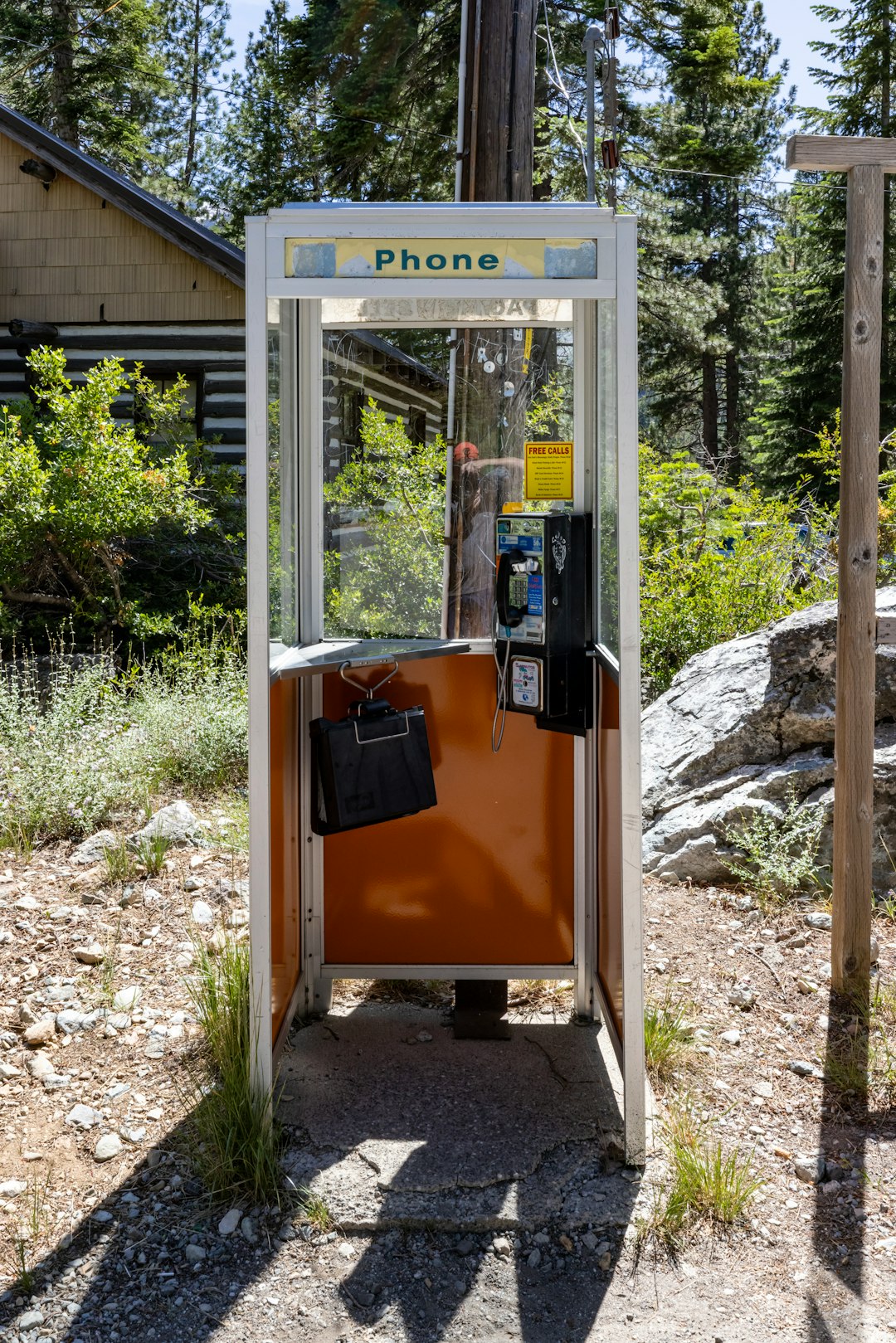
In the digital age, robocalls and spam texts have become a ubiquitous nuisance for Colorado residents. With advanced technology, scammers exploit loopholes to inundate consumers with unwanted calls and messages, often disguised as legitimate business communications. The sheer volume of these intrusions has led to a heightened need for robust measures to combat them. Identifying and reporting the sources behind these automated campaigns is a critical step in mitigating this growing problem.
Colorado, being a state with stringent consumer protection laws, offers several avenues for citizens to fight back against robocallers and spammers. The first line of defense lies in recognizing the tactics employed by these malicious actors. Robocall lawyers and attorneys in Colorado advise that many scam calls originate from automated systems designed to dial thousands of numbers simultaneously, making them hard to trace. However, consumers can play a vital role by examining the content and timing of these calls. For instance, if a call promotes a time-sensitive offer or requests immediate action, it might be a spam attempt. Reporting such incidents to relevant authorities, like the Federal Trade Commission (FTC) or Colorado's Attorney General's office, helps build a case against recurring offenders.
Moreover, utilizing Do Not Call registries and enrolling in text message blocking services are effective strategies. Many phone carriers offer built-in tools to manage these calls, allowing users to block specific numbers or types of calls. Engaging the help of a robocall lawyer Colorado or a spam call law firm Colorado can also provide legal recourse against persistent violators. These professionals navigate the complex web of robocall laws in Colorado and ensure that consumers' rights are protected. With the right tools and knowledge, Coloradans can actively contribute to curbing this growing digital menace.
Strategies for Effective Do Not Call Registrations

In the face of escalating robocalls and spam texts, Colorado residents have a powerful weapon at their disposal: effective Do Not Call registrations. A robust do not call list is the first line of defense against unwanted communication, but it's crucial to understand how to make it work for you. Experts recommend starting with a dedicated registration through the Federal Trade Commission (FTC) or your state's consumer protection agency, ensuring compliance with both federal and Colorado spam call laws.
Colorado's Do Not Call list is enforced by the Colorado Division of Consumer Protection, which works closely with robocall lawyers and attorneys across the state to protect consumers' rights. When registering, be as specific as possible about the types of calls and texts you wish to block. This could include political campaign messages, sales calls, or text spam related to promotions or scams. Remember, once registered, it's essential to maintain your status by regularly reviewing and updating your preferences. Many robocall attorneys in Colorado suggest setting reminders to re-register every few years to ensure uninterrupted protection.
For those facing persistent robocalls from certain sources despite being on the Do Not Call list, consulting a robocall lawyer in Colorado is advisable. These legal professionals specialize in navigating the complexities of spam call laws and can take aggressive action against offenders. They may employ legal avenues such as filing complaints with relevant authorities or seeking damages for violation of consumer privacy rights under the state's anti-spam legislation. By combining robust Do Not Call registrations with expert legal counsel, Colorado residents can reclaim control over their communication channels and find lasting relief from unwanted robocalls and texts.
Engaging a Robocall Lawyer: Your Rights and Options

In the face of persistent robocalls and unwanted texts, many Coloradans are turning to a powerful tool: engaging the expertise of a robocall lawyer. With the sheer volume of automated communication reaching epidemic levels, individuals are asserting their rights and seeking legal counsel to navigate the complex landscape of consumer protection laws. A robocall lawyer in Colorado, or a spam call law firm as they're sometimes known, plays a pivotal role in empowering citizens to combat this modern-day nuisance.
Colorado has robust regulations in place to curb excessive robocalls and texts, such as the Do Not Call Registry and the Telephone Consumer Protection Act (TCPA). These laws grant consumers the right to sue for damages when their privacy is invaded by unwanted calls or messages. A specialized lawyer in this field can guide clients through these legal avenues, offering strategic advice tailored to each unique situation. For instance, a robocall attorney Colorado can assist with drafting cease and desist letters, representing clients in court, or negotiating settlements with perpetrators. By leveraging the expertise of such legal professionals, individuals can reclaim their peace of mind and protect their rights under the law.
The impact of these efforts is significant. Recent data reveals that proactive legal actions have led to a notable decrease in robocalls across the state. This shift is attributed to increased awareness and the deterrence provided by robust legal protections. As consumer advocacy groups continue to push for stronger regulations, individuals equipped with legal knowledge can become powerful allies in the fight against spam calls. For those facing relentless unwanted communication, consulting with a robocall lawyer Colorado or a reputable spam call law firm may be the first step towards reclaiming control and ensuring their rights are respected.
About the Author
Meet Dr. Emily Johnson, a renowned telecommunications expert and lead researcher at the Colorado Center for Digital Safety. With a Ph.D. in Information Technology, she has dedicated her career to combating robocalls and texts, particularly in Colorado's vibrant telecom landscape. Emily is an active member of the IEEE and a contributor to TechCrunch, offering valuable insights on emerging technologies. Her expertise lies in developing innovative solutions to protect consumers from nuisance calls, with a focus on regulatory compliance and advanced filtering techniques.
Related Resources
Here are some authoritative resources to support an article on combating robocalls and texts in Colorado:
- Federal Communications Commission (FCC) (Government Portal): [Offers comprehensive guidance and regulations related to telecommunications, including measures against unwanted calls.] - https://www.fcc.gov/
- Colorado Attorney General's Office (Government Site): [Provides consumer protection resources specific to Colorado, which may include advice on dealing with robocalls and texts.] - https://ag.colorado.gov/
- National Do Not Call Registry (External Database): [A national resource for consumers to register their phone numbers and reduce unwanted calls, offering insights into existing protections.] - https://donotcall.gov/
- University of Colorado Law School (Academic Study) (Research Institution): [Scholarly research on consumer protection laws in Colorado and potential legislative solutions against robocalls.] - https://law.cu.edu/
- Telecom Consumer Education Resource Center (Industry Association): [A non-profit dedicated to educating consumers about telecommunications rights, offering tools for managing unwanted calls.] - https://www.telecomconsumer.org/
- Colorado Public Utilities Commission (Government Agency): [Regulates public utilities in Colorado and may provide insights into consumer complaint mechanisms regarding robocalls.] - https://www.cpuc.co.us/
- Consumer Reports (Magazine) (Industry Leader): [Provides news, tips, and advice for consumers, including strategies to deal with persistent robocalls.] - https://www.consumerreports.org/