
Colorado residents face a surge in robocalls and spam texts. Recognize warning signs like generic messages and urgent data requests. Legal protections like the TCPA and state Do Not Call laws empower consumers to block, report, and seek legal action through robocall lawyers Colorado or spam call law firms Colorado. Technical solutions include call blocking apps and FTC tools. Engaging specialized legal aid offers protection, privacy, and peace of mind against scam artists and financial losses. Key resources: robocall Lawyers Colorado, Do Not Call law firms Colorado, lawyer for unwanted texts Colorado.
Text messages from unknown senders offering dubious deals or threatening legal action are all too common in Colorado. These scam texts, often disguised as legitimate communications, can be frustrating, intrusive, and even illegal under the state's strict Spam Call laws. Knowing how to identify and avoid these robocalls is crucial for protecting your privacy and avoiding potential financial losses. In this article, we provide a comprehensive guide to navigating this modern-day conundrum, empowering Coloradans with the knowledge to recognize and block unwanted text messages effectively, with expert insights from leading robocall lawyers across the state.
Recognize Robocall Patterns in Colorado

In Colorado, as across the nation, robocalls and spam texts have become a ubiquitous nuisance. While many of these calls promote legitimate products or services, others are designed to deceive and defraud. Recognizing patterns common in scam texts is a crucial step in protecting yourself from potential harm. Expert analysis shows that scammers often target areas with high population densities, making Colorado—with its diverse urban centers like Denver—an attractive venue for their schemes.
One telltale sign of a robocall is the absence of personalized content. If you receive a text claiming to be from a local business or government agency but lacks specific details about your account or location, it could be a scam. For instance, a "Do Not Call" law firm in Colorado would never send a generic message to all residents; such communications are usually tailored to individual subscribers. Additionally, watch out for urgent requests for personal information. Reputable organizations rarely ask for sensitive data via text message due to security concerns.
Colorado's strict Spam Call laws empower consumers to take action against unwanted texts. According to state regulations, businesses must obtain explicit consent before sending automated calls or messages, and residents can register complaints with the Colorado Public Utility Commission. Consulting a robocall lawyer in Colorado or engaging a spam call law firm can provide legal recourse if your rights have been violated. By staying vigilant and educating yourself about these patterns, you can protect yourself from scammers and ensure that your personal information remains secure.
Understand Your Legal Rights in Colorado

In Colorado, as across the U.S., consumers are increasingly facing a surge in scam texts and robocalls. These unwanted communications often masquerade as legitimate offers or warnings, but can quickly escalate into frustrating and financially damaging situations. Understanding your legal rights under Colorado's robust consumer protection framework is a critical step in defending against these scams. The state has stringent regulations in place to curb excessive robocalls, including specific provisions targeting spam calls and text messages.
Colorado's laws provide substantial protections for residents facing persistent or deceptive robocallers. For instance, the Colorado Consumer Protection Act (CCPA) prohibits automated telephone dialing systems from contacting individuals without prior express consent, with exceptions only for certain types of communications like political campaigns or non-profit organizations. This means you have the right to say "no" to most automated texts and calls, and robocall lawyers in Colorado can help ensure your rights are respected. Furthermore, the Telephone Consumer Protection Act (TCPA) at the federal level offers additional safeguards, allowing consumers to file lawsuits against violators who incur damages or receive financial penalties.
If you've received unwanted texts or calls promoting dubious services or demanding immediate action, it's advisable to take a few simple steps. Document the messages, save any recorded conversations, and contact a robocall attorney in Colorado who specializes in these matters. Legal experts can assist with blocking future communications, identifying the source of the spam calls, and even pursuing legal action if necessary. Remember, staying informed about your rights and enlisting professional help when needed are powerful tools against scam artists preying on unsuspecting Coloradans.
Block and Report Spam Calls Effectively

In Colorado, as across the nation, robocalls and spam texts have become a pervasive nuisance, with many residents falling victim to deceptive practices. To combat this growing issue, effective strategies for blocking and reporting these unwanted communications are essential. A robust defense against scam texts starts with understanding the legal framework in place and employing simple yet powerful tools.
Robocall laws in Colorado, as well as at the federal level, offer consumers protection from unsolicited calls and messages. The Telephone Consumer Protection Act (TCPA) and Colorado's own Do Not Call laws provide mechanisms for blocking and reporting spam calls. A robocall lawyer or attorney in Colorado can offer specialized guidance on navigating these laws to ensure your rights are protected. By registering your number with the National Do Not Call Registry, you initiate a crucial first step in preventing unwanted contact from telemarketers and scammers. This registry is enforced by the Federal Trade Commission (FTC), which has strict rules against spam calls.
Technical solutions play a significant role in combating scam texts. Most smartphone operating systems offer built-in call blocking features that can be easily configured to prevent specific numbers from calling or texting. Many users find dedicated app-based call blockers even more effective, as they allow for precise control over incoming communications. For instance, an app like "TrueCall" or "Hiya" can identify and block known spam callers, saving users time and effort. Additionally, reporting these calls to your service provider or using tools like the FTC's Complaint Assistant enhances collective efforts to combat robocalls and spam texts. By combining technical solutions with legal awareness, Colorado residents can significantly reduce their exposure to scam texts and protect themselves from potential financial losses.
Choose a Reputable Law Firm for Assistance

In Colorado, as across the nation, the proliferation of scam texts and robocalls has reached alarming levels. These unwanted messages often masquerade as legitimate communications from banks, government agencies, or even law firms, aiming to trick recipients into sharing personal information or providing financial details. To counter this growing threat, one effective strategy is to engage the services of a reputable robocall lawyer in Colorado or a spam call law firm in Colorado. These legal professionals specialize in navigating the complex web of communication regulations, including the Telephone Consumer Protection Act (TCPA) and Colorado's specific do-not-call laws.
Reputable law firms focused on robocall cases offer several advantages. They stay current with evolving legislation, ensuring that their tactics align with the latest legal frameworks. For instance, they employ strategies to block and trace robocalls, gather evidence of violations, and represent clients in legal actions against persistently offending entities. Moreover, these firms often have access to advanced technology that helps identify call sources and destination patterns, enhancing the likelihood of successful legal action. Consider a case where a Colorado resident received hundreds of spam texts from an unknown source over a few weeks. A robocall lawyer could help investigate whether these messages violated the TCPA and assist in seeking damages or enjoining further communication.
Choosing a reliable law firm is crucial for effective protection against scam texts and robocalls. Look for firms with proven success in handling similar cases, positive client testimonials, and transparent fee structures. In Colorado, where the use of technology in legal practice is increasingly common, engaging an attorney who specializes in digital communications law can provide significant peace of mind. By taking this proactive step, residents can protect themselves from potential financial losses or identity theft while ensuring that their privacy rights are upheld.
Navigate Colorado's Do Not Call Laws
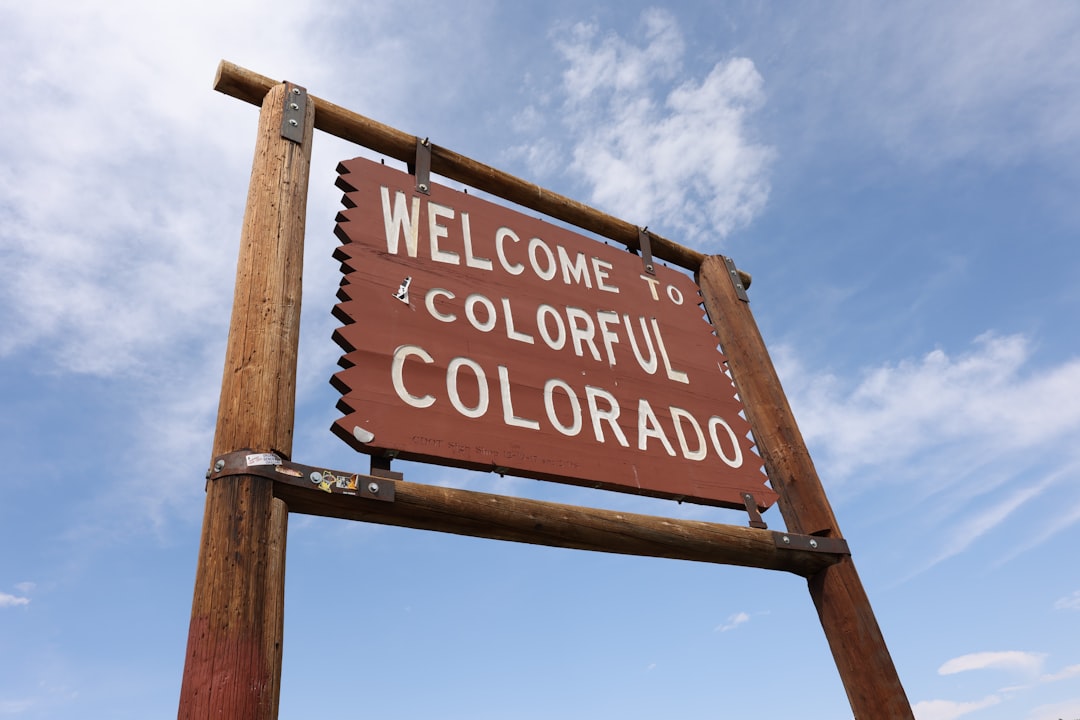
In Colorado, navigating the state's Do Not Call laws is a critical step to avoid scam texts and robocalls. These laws, enforced by the Colorado Public Utility Commission (CPUC), are designed to protect residents from unwanted telemarketing calls, including those that could be fraudulent or spam. It's essential to understand your rights and how to register for protection under these laws. One effective measure is to consult a robocall lawyer or spam call law firm in Colorado that specializes in Do Not Call law. These legal experts can guide you on the best way to handle such calls, whether it's blocking them, filing complaints, or seeking legal recourse.
Under Colorado's Do Not Call laws, businesses are prohibited from making telemarketing calls to residents who have registered their numbers on the "Do Not Call" list. This list is maintained by the CPUC and is regularly updated. If you receive a scam text or robocall after registering your number, it could indicate a violation of these laws. For instance, in 2022, the CPUC reported over 10,000 complaints related to unwanted telemarketing calls, underscoring the prevalence and need for stringent compliance with Do Not Call regulations. A robocall attorney in Colorado can help you understand your legal options if you've been a victim of such violations.
To protect yourself proactively, consider taking several practical steps. First, register your number on the state's Do Not Call list by visiting the CPUC website or calling their dedicated hotline. Additionally, be cautious about sharing your phone number online or with unknown entities. Many spam calls originate from automated systems that gather numbers from various sources. Lastly, if you receive a suspicious call, don't engage; instead, report it to the CPUC. By adhering to these guidelines and seeking expert counsel when needed, Colorado residents can significantly reduce their risk of falling victim to scam texts and robocalls.