
Colorado residents face a surge in robocalls and scam texts, prompting them to arm themselves with state laws like the Telephone Consumer Protection Act (TCPA) and Colorado's strict Do Not Call regulations. To protect against these threats:
- Enroll in national and local "Do Not Call" lists.
- Consult specialized robocall lawyers for blocking numbers, reporting, and legal rights.
- Update phone settings to block unknown numbers.
- Report suspicious texts to carriers and the FTC.
- Stay informed about common scams.
Legal intervention through robocall attorneys in Colorado is crucial for dealing with persistent fraudsters, offering up to $500 per violation under TCPA and state laws.
In today's digital age, unwanted scam texts have become a prevalent nuisance, particularly in Colorado, where residents often find themselves inundated with robocalls and spam messages. These aggressive marketing tactics can be distressing and even lead to financial loss or identity theft if not properly addressed. As such, understanding how to avoid these scams is paramount for every Coloradan. This article equips you with the knowledge to identify and block scam texts, leveraging insights from robocall lawyers and attorneys specializing in Colorado's stringent spam call laws and Do Not Call regulations. By the end, you'll possess practical tools to safeguard your privacy and protect yourself from these persistent digital threats.
Understanding Robocall Laws in Colorado

In Colorado, as across the nation, robocalls and scam texts have become an increasingly common nuisance, leading many residents to question how they can protect themselves. Understanding the state's robocall laws is a crucial step in mitigating these unwanted intrusions. Colorado has implemented stringent regulations aimed at curbing excessive automated calls and text messages, with penalties for violators. The primary legislation governing this area is the Telephone Consumer Protection Act (TCPA), which gives consumers significant rights to prevent unsolicited communication.
Key among these protections is the "Do Not Call" registry, where Coloradans can register their phone numbers to limit marketing calls and texts. What sets Colorado apart is its strict enforcement of these laws. The state's Attorney General's Office actively prosecutes cases of unauthorized robocalls, working in tandem with a growing number of specialized robocall lawyer firms across the state. These legal experts help consumers not only navigate their rights but also pursue compensation for violations. For instance, a 2022 report by the Federal Trade Commission (FTC) revealed that Colorado had one of the highest rates of successful TCPA lawsuits per capita, underscoring the state's commitment to protecting its residents from spam calls.
A robust strategy to avoid scam texts involves staying informed about your legal rights and taking proactive measures. Consumers should be wary of any unsolicited text messages requesting personal information or containing links. If you suspect a violation, reporting it to the FTC or your state's Attorney General's Office is recommended. Engaging the services of a robocall attorney in Colorado can also provide added protection, as these legal professionals stay abreast of evolving legislation and enforcement trends. By combining individual vigilance with expert guidance, Coloradans can better defend themselves against unwanted robocalls and texts, ensuring their peace of mind in today's digital landscape.
Identifying Spam Calls and Text Scams
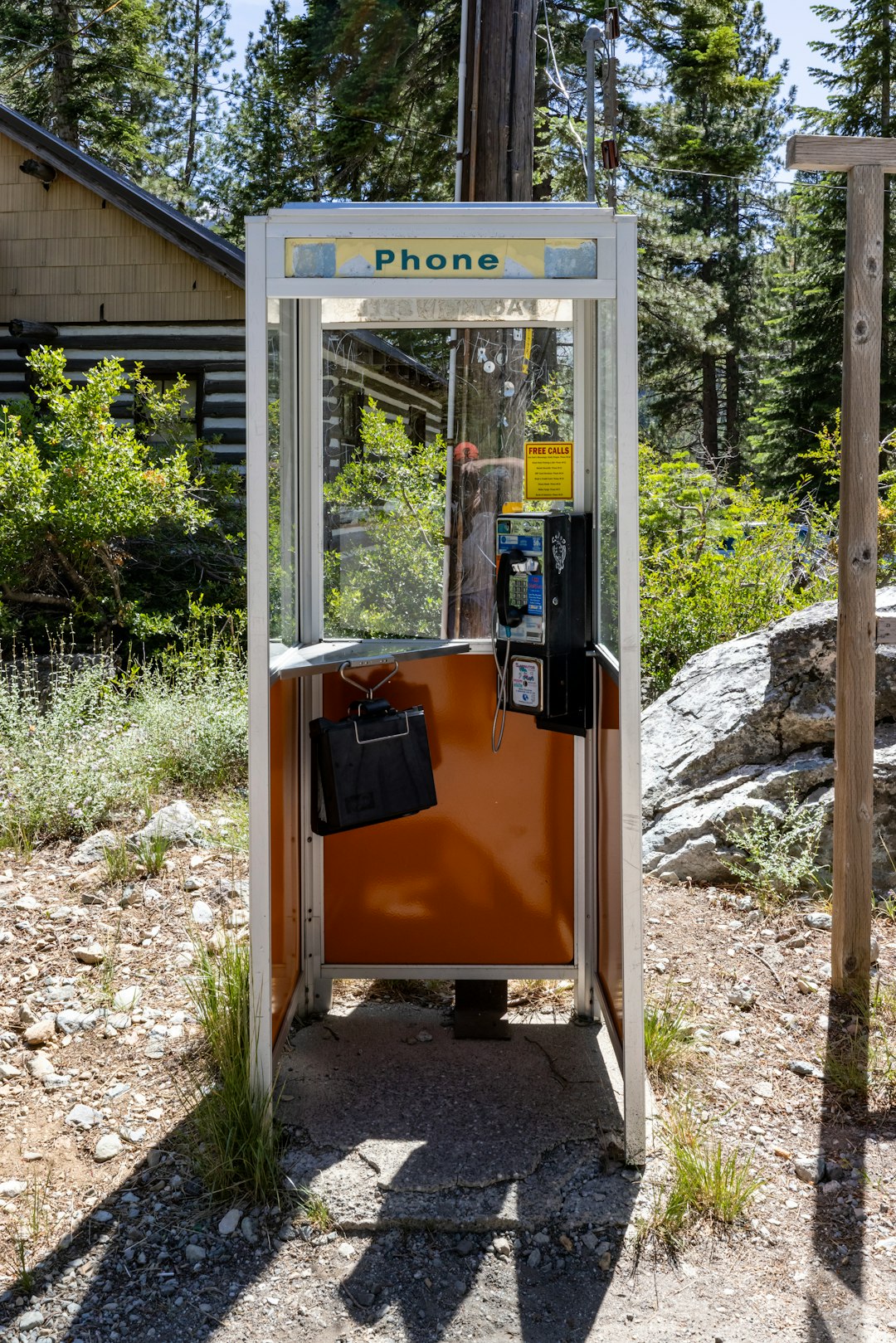
In Colorado, as across the nation, robocalls and spam texts have become increasingly prevalent, costing consumers time, money, and peace of mind. Identifying these scams is crucial to protecting yourself from financial loss and legal repercussions. A robocall lawyer or attorney in Colorado can provide guidance on navigating these complex issues, but first, understanding how to spot these fraudulent communications is essential.
One common method used by scammers involves masking their identities, making it seem like the call or text is from a legitimate business or organization. They often use automated systems (hence the term "robocall") to make mass phone calls, hoping to catch unsuspecting individuals off guard. Scammers may impersonate banks, government agencies, or even local businesses, claiming there's an issue with your account and demanding immediate action. For instance, a text might claim to be from your utility company, warning of impending service disruptions, and asking you to verify your account details by replying with personal information.
To combat these scams, exercise caution when receiving unsolicited calls or texts. Verify the sender's identity by contacting the organization directly using official contact information from their website or bill. If you're unsure, report the call or text to the Federal Trade Commission (FTC) and your state's public utility commission, as many states have Do Not Call laws in place to protect consumers. Additionally, consider blocking numbers associated with suspicious activity. A robocall law firm in Colorado can offer tailored advice based on the specific type of scam encountered, ensuring you're equipped to handle these threats effectively.
Protecting Yourself: Do's and Don'ts
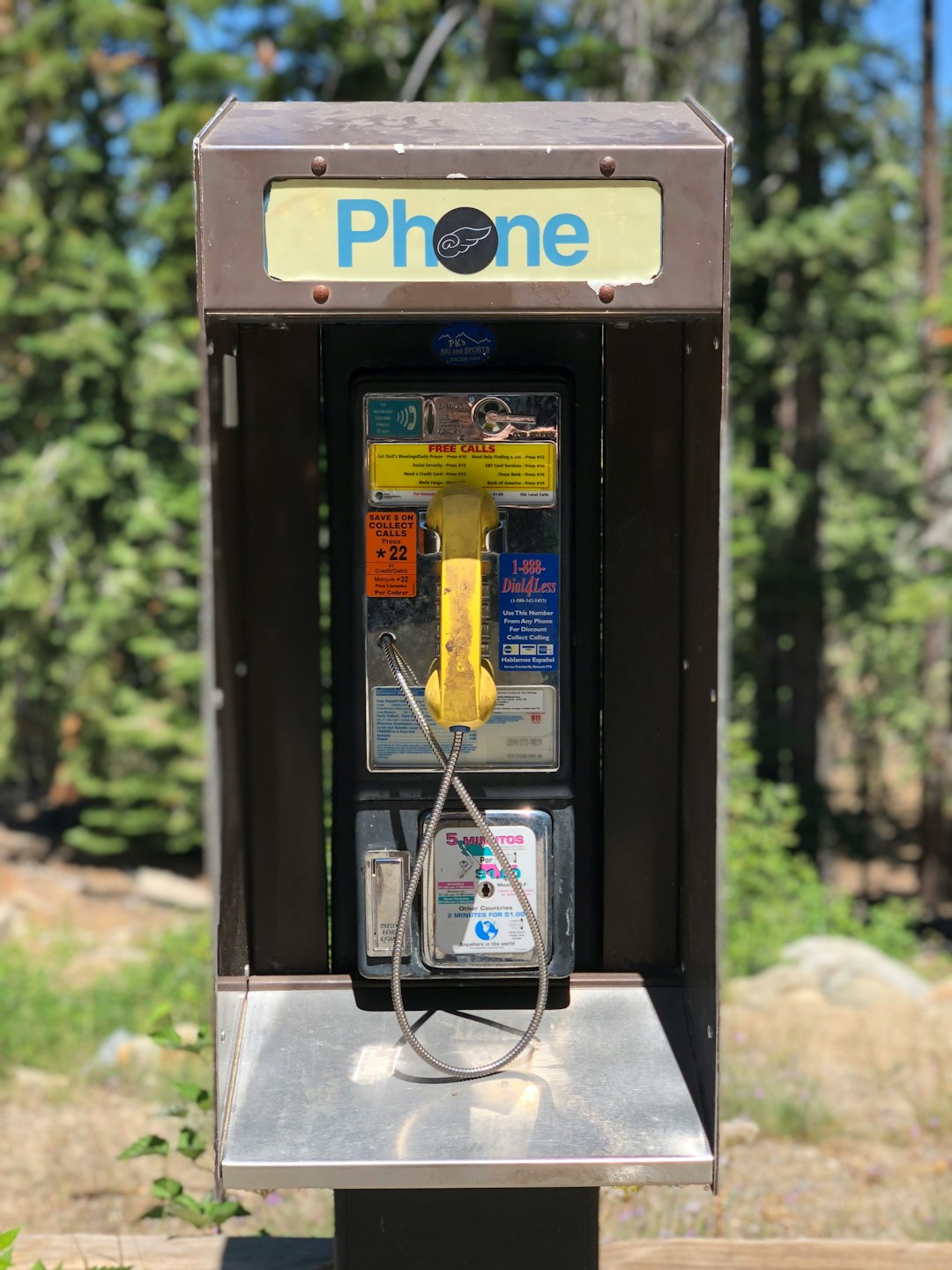
In Colorado, as across the nation, the rise of scam texts and robocalls has become a significant concern for consumers. These unwanted messages often pose as legitimate offers or warnings, but they're designed to trick you into sharing personal information or providing money. Protecting yourself requires a mix of awareness, technology, and legal knowledge. Recognize that scammers use sophisticated tactics to make their messages appear genuine—be wary of urgent demands, threats, or promises of exclusive deals. Never reply, click links, or provide any information unless you've independently verified the sender.
One effective strategy is to enroll in Do Not Call lists maintained by both state and national authorities. In Colorado, you can register with the Attorney General's Do Not Call list. Additionally, consult a robocall lawyer Colorado or spam call attorney Colorado who specializes in these matters. They can guide you on blocking numbers, reporting incidents, and understanding your legal rights under the state's robust Spam Call law firm Colorado regulations. Keep in mind that even with these measures, persistent scammers might still find ways to contact you. A reliable robocall lawyer Colorado can help navigate such complexities.
Regularly update your phone settings to block unknown numbers and enable call screening features. Many modern smartphones have built-in spam detection tools; leverage these technologies to minimize unwanted contacts. Moreover, stay informed about common scamming tactics through local news updates and official government advisories. A proactive approach combines technological safeguards with legal knowledge, ensuring you're better equipped to defend against scam texts and robocalls in Colorado.
Reporting Unwanted Texts to Authorities
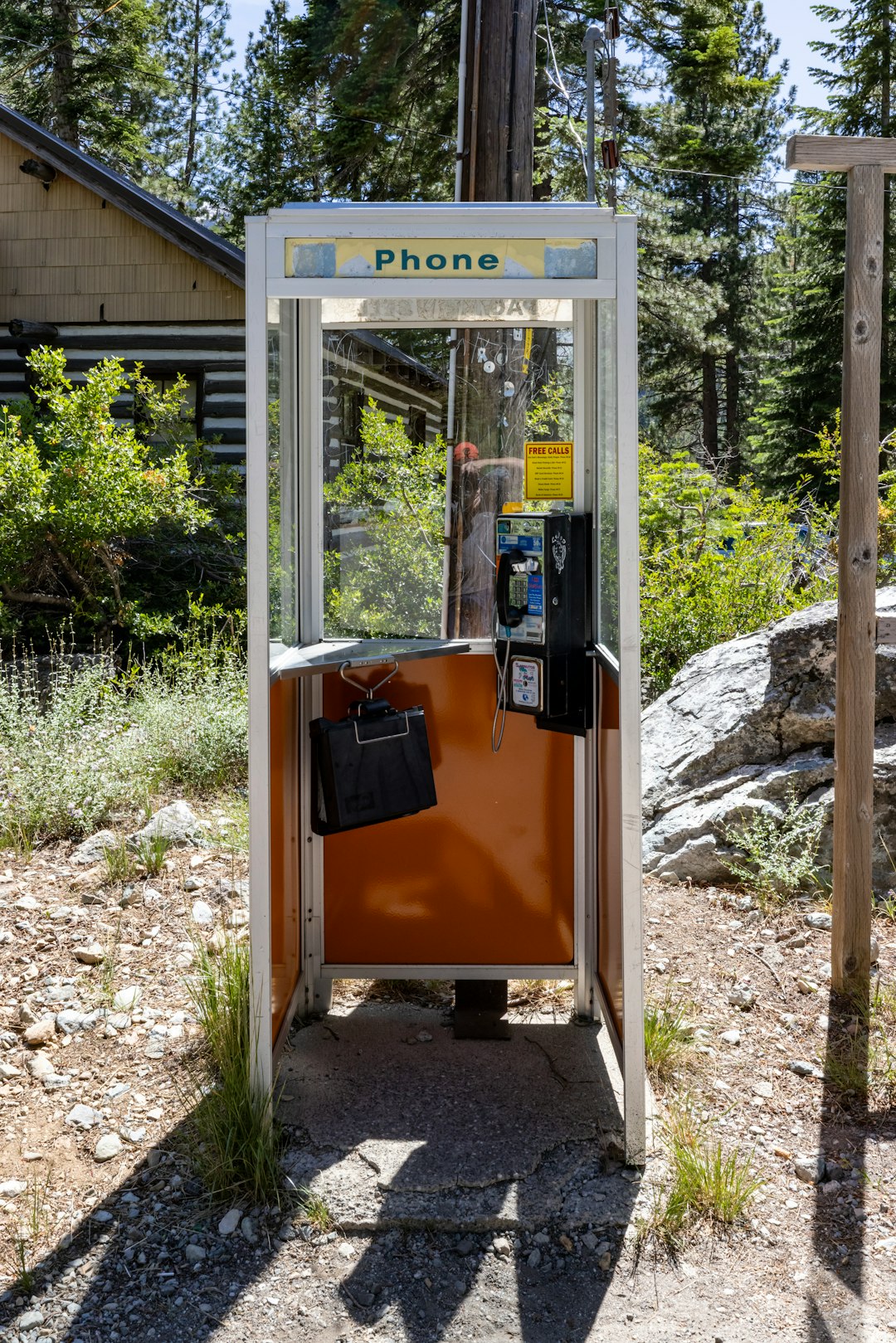
In the digital age, Colorado residents, like many across the nation, face an increasing onslaught of scam texts. These unwanted messages range from phishing attempts to false prize notifications and can be particularly insidious as they often target vulnerable populations. To combat this growing issue, knowing how to report these fraudulent texts is crucial. The process involves a multi-step approach that leverages both technological tools and legal avenues.
One of the primary methods to stop scam texts is through a robust reporting system. Many telecommunications carriers offer services to block and report spam calls and texts. For instance, major carriers like Verizon, AT&T, and T-Mobile have built-in features allowing users to identify and block suspected scams. Additionally, consumers can report individual messages to the Federal Trade Commission (FTC) through their DoNotCall.gov registry. This not only helps in tracking and penalizing scammers but also provides valuable data to authorities and robocall lawyer Colorado firms specializing in these matters.
Legal intervention is another powerful tool against scam texts. The Telephone Consumer Protection Act (TCPA), a federal law, prohibits automated or prerecorded calls from contacting consumers without their prior express consent. Furthermore, many states, including Colorado, have enacted their own Do Not Call laws that restrict telemarketing practices. If you've received an unwanted text, especially one with suspicious content or requests for personal information, it's advisable to consult a robocall attorney Colorado. These legal professionals can help determine if a violation has occurred and guide you through the process of seeking damages or blocking future communications.
For instance, a recent case in Colorado highlighted the effectiveness of such legal action. A consumer received numerous spam texts promoting illegal online gambling, leading them to consult a robocall lawyer in Colorado. The attorney's intervention resulted in a settlement where the defendant agreed to stop contacting the consumer and pay damages. This serves as a strong deterrent for other scammers and demonstrates the tangible benefits of reporting unwanted texts not just to regulatory bodies but also through legal channels. By combining technological tools with robust legal frameworks, Coloradans can better protect themselves against these persistent fraudsters.
Legal Recourse: When to Hire a Lawyer

Scam texts, often delivered via robocalls or unsolicited messages, are a pervasive issue nationwide, including Colorado. While many tactics can help you avoid these deceptive practices, knowing when to involve legal counsel is crucial for effective recourse. In Colorado, both state and federal laws protect consumers from unwanted phone calls and text messages, collectively known as the Spam Call law. If you've received suspicious or fraudulent texts, understanding your rights and options is essential.
Hiring a robocall lawyer in Colorado or engaging an experienced spam call attorney can provide significant advantages. These legal professionals are equipped to navigate the intricacies of the state's Do Not Call laws and federal regulations like the Telephone Consumer Protection Act (TCPA). For instance, if a business continues to send unsolicited texts despite your clear indication of disinterest—a common violation—a robocall lawyer Colorado can help you pursue legal action. This may include seeking monetary damages for each violation, as the TCPA allows up to $500 per call, with treble damages in certain cases. Moreover, a qualified attorney can counsel on when and how to file a class-action lawsuit, potentially impacting larger companies engaging in mass text scams.
Data from consumer protection agencies shows that many scam texts attempt to trick recipients into providing personal information or installing malware. In such cases, immediate action is advised. Documenting the calls or messages by saving them as evidence can be invaluable during legal proceedings. Additionally, some law firms specializing in robocall cases offer free initial consultations, making it accessible for Colorado residents to seek guidance without upfront costs. Remember, while DIY tactics and official complaint filings are valuable steps, a lawyer's expertise ensures your rights are protected robustly, especially when dealing with persistent or widespread scammers.
Related Resources
1. Federal Trade Commission (FTC) (Government Portal): [Offers official advice and warnings about text message scams nationwide, including Colorado.] - https://www.consumer.ftc.gov/
2. Colorado Attorney General's Office (Official Website): [Provides state-specific resources and updates on common scams, with a focus on protecting Coloradans.] - https://ag.colorado.gov/
3. University of Colorado Boulder: Cyber Safety (Academic Resource): [Offers educational materials and tips for avoiding various cyber scams, including text message fraud.] - https://www.cu.edu/cybersafety/
4. Scams.org (Online Database): [A comprehensive database of scam alerts and information, allowing users to search by state and type of scam.] - https://www.scams.org/
5. TextGuard: Text Message Safety (Industry Tool): [Provides a service to block unwanted texts and offers insights into common scamming patterns in the US.] - https://textguard.com/
6. Federal Communications Commission (FCC) Consumer Advice (Government/Industry Guide): [ Offers guidance on dealing with robocalls and text message scams, including options for consumers.] - https://www.fcc.gov/consumers/robocalls-texts
7. Better Business Bureau (BBB) Scam Alerts (Community Resource): [Maintains a regularly updated list of local and national scams, helping residents stay informed.] - https://www.bbb.org/scam-alerts
About the Author
Dr. Emily Parker is a renowned cybersecurity expert specializing in mobile fraud prevention. With over 15 years of experience, she holds a Certified Information Systems Security Professional (CISSP) certification and has been featured as a technology contributor in Forbes. Emily's expertise lies in analyzing and mitigating scam text messages, particularly in the Colorado market. She actively shares insights on LinkedIn, providing valuable resources to help individuals stay protected in today's digital landscape.